
Why Pakistan Belongs on Your Sourcing Map
Pakistan is the world's fourth-largest cotton producer, home to the city that hand-stitches match footballs for global tournaments, the source of roughly 70% of the world's Himalayan pink salt, and a top-five rice exporter. Yet many importers still treat it as a single-category textile source. That blind spot is an opportunity: factories here quote competitive ex-works prices because competition for foreign orders is intense, and craftsmanship in leather, cutlery-grade steel and sports goods is genuinely generational.
The practical sourcing clusters are well defined. Sialkot dominates sports goods, surgical instruments and leather. Faisalabad is the textile heartland. Karachi handles denim, home textiles and most sea freight. Gujranwala and Chiniot produce furniture and ceramics. Multan and the Sindh belt supply rice, mangoes and dates. Knowing which cluster owns your product saves weeks of misdirected inquiries.
The Five-Step Import Process That Actually Works
Start with a specification, not a product name. 'Cotton bath towel' gets you forty different quotes; '600 GSM zero-twist combed cotton, 70×140cm, dobby border, absorbency under 5 seconds' gets you three comparable ones. Second, shortlist three to five factories and verify them physically — registration, premises, capacity, export history. Third, sample properly: a counter-sample from the factory, evaluated against your spec, revised once, then a sealed pre-production sample both parties sign.
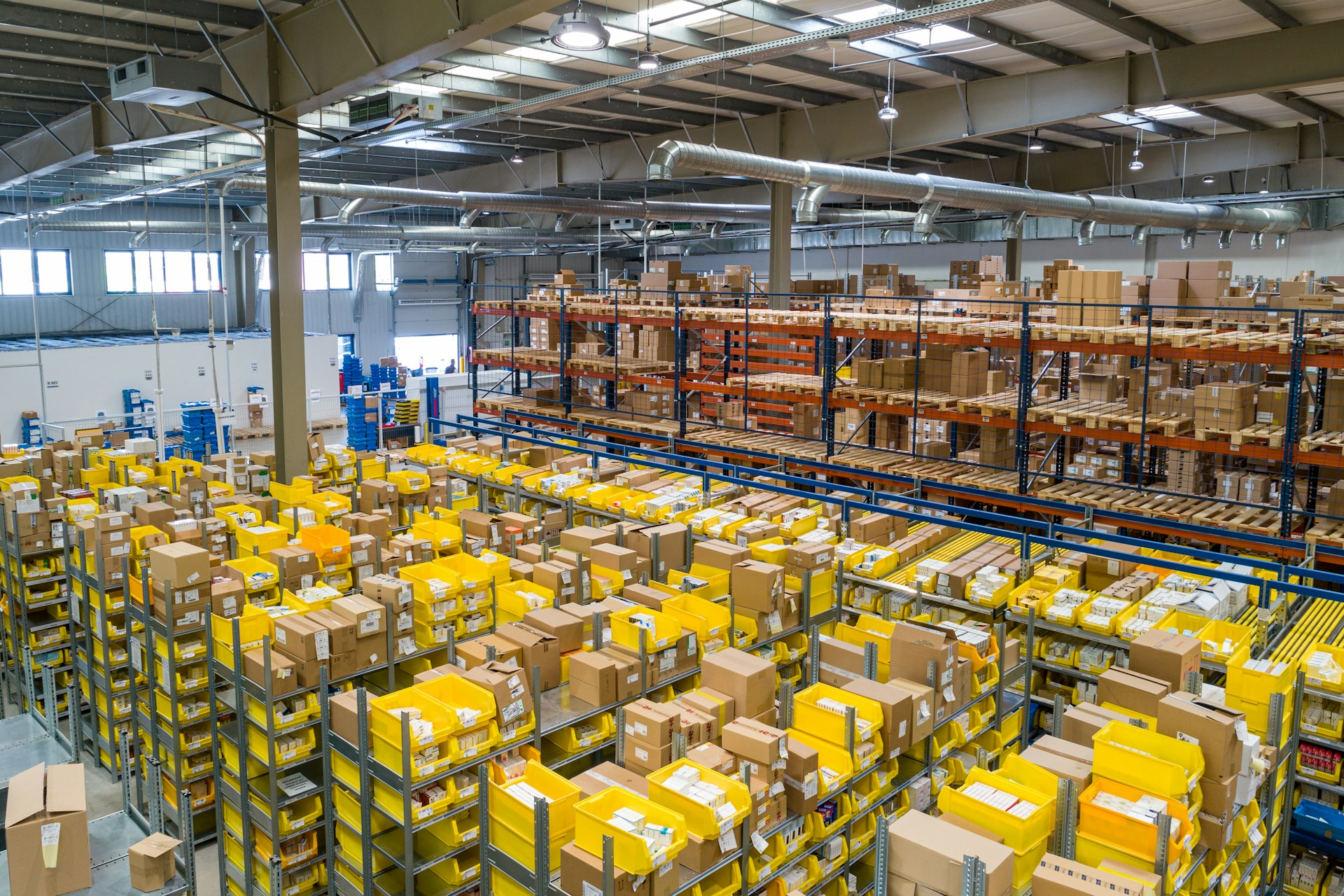
Fourth, control production with inspection gates: an in-line check around 30% completion and a pre-shipment inspection at AQL 2.5 before the balance payment moves. Fifth, lock documentation early — commercial invoice, packing list, certificate of origin, and any product-specific certificates (phytosanitary for food, CE files for medical) — so your customs broker reviews drafts before the vessel sails, not after it berths.
Payment Terms and How to Protect Them
The standard structure is 30% advance by T/T with 70% against shipping documents. For first orders above USD 25,000, an irrevocable letter of credit at sight protects both sides — but only if the L/C terms are realistic; overly strict documentation clauses cause more problems than they solve. Whatever the instrument, tie the balance to an inspection report you control. Money that moves after verified quality is money well protected.
Logistics: Ports, Transit Times and Costs
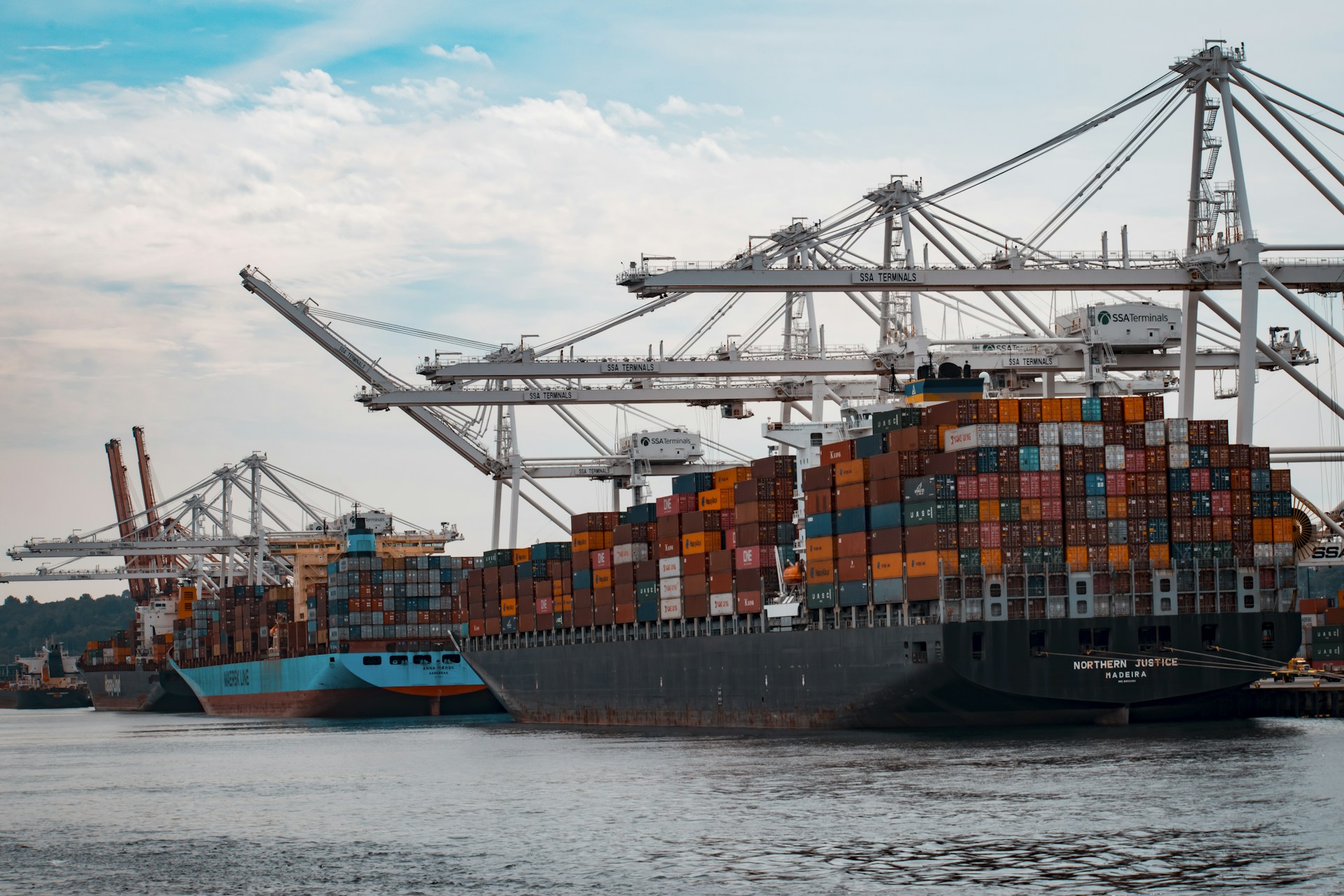
Sea freight moves from Karachi Port and Port Qasim — roughly 12–16 days to Jebel Ali, 22–28 days to Northern Europe, 30–35 days to the US East Coast. Air freight from Sialkot, Lahore or Karachi reaches most hubs in 3–7 days and makes economic sense for surgical instruments, fashion samples and fresh produce. A 40ft high-cube to the Gulf runs a fraction of the Europe rate, which is why mixed-container consolidation through a Karachi hub is worth modeling before you book.
The Mistakes First-Time Buyers Make
Three errors repeat endlessly: choosing a supplier on price alone (the cheapest quote usually omits something the spec required), skipping the pre-production sample (production then becomes the most expensive sampling stage), and treating documentation as an afterthought (a one-line error on a certificate of origin can hold a container for a week). A sourcing partner on the ground — or a disciplined internal process that mirrors one — eliminates all three for less than the cost of a single delayed shipment.
About the authors: This guide was written by the Zaeem Haziq Co trade desk — the team that runs supplier verifications, inspections and export documentation for 520+ clients. Nothing here is theory; it's Tuesday.